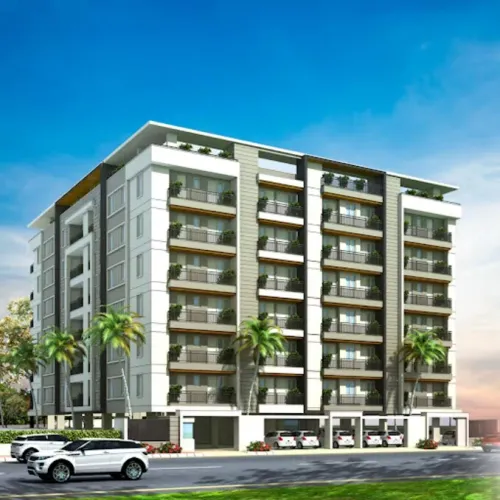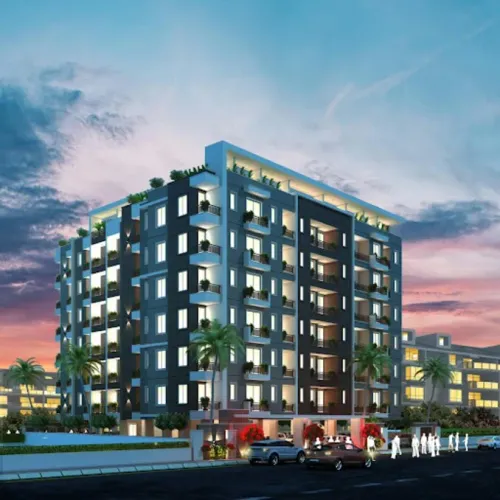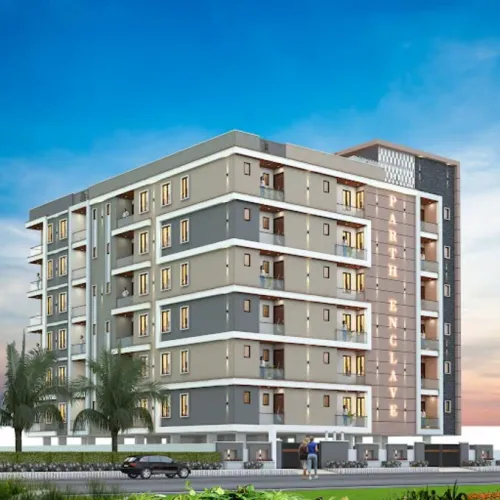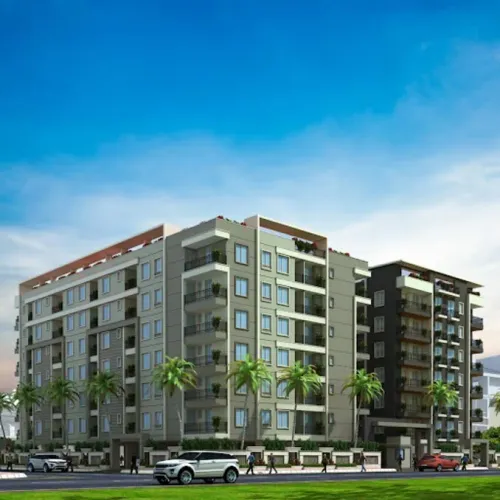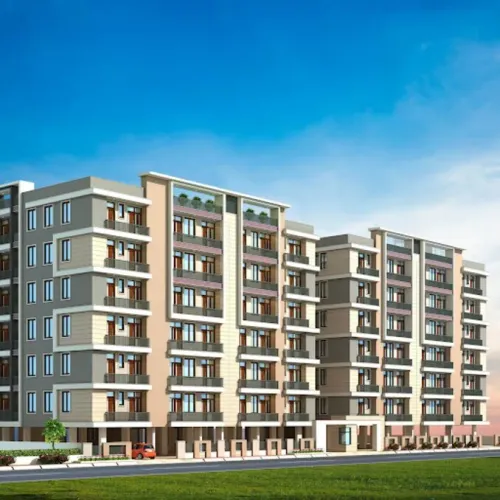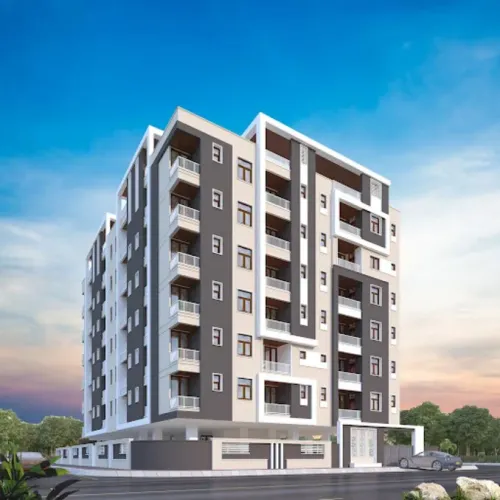
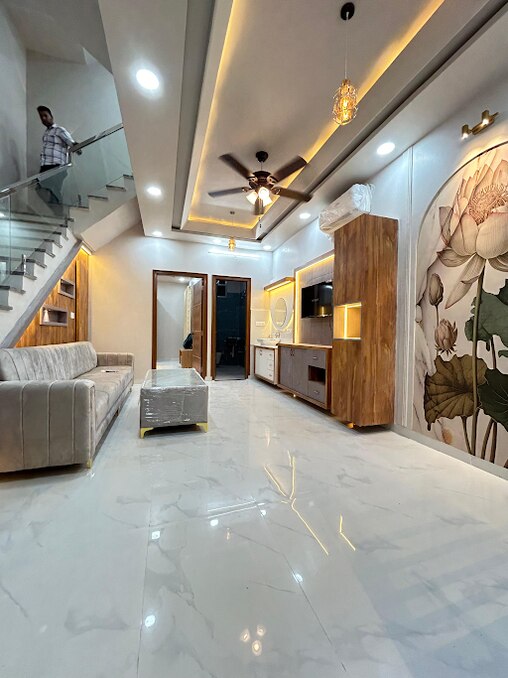
A villa gives you more control over entrances, outdoor areas and household routines, but its advantages depend on the site plan, construction quality and work you are prepared to manage. By comparing ownership, usable space, running costs and everyday performance, you can decide whether a villa delivers genuine independence for your household rather than simply a larger sales-area figure.
Key takeaways
- A standalone house offers the most autonomy; an apartment offers the least control.
- Measure usable rooms, storage, parking and outdoor space—not only the BHK label.
- Budget for repairs, security, maintenance and daily upkeep before choosing independence.
- Check approvals, ownership documents, site conditions and promised services before booking.
Villa, Independent House or Apartment: What Do You Actually Control?
A villa in a managed project usually offers the strongest combination of privacy, ownership control and independent living, but a standalone independent house offers the most autonomy. An apartment gives you the least control over entrances, outdoor areas and shared building systems.
| Option | What you control | What remains shared |
|---|---|---|
| Villa in a managed project | Entrance, boundary edge, terrace, driveway and private outdoor space | Project roads, gates, drainage, water systems, security and landscaping |
| Standalone independent house | Plot, building, gate, services and outdoor areas, subject to local approvals | Public roads and utility networks; no project facilities unless separately arranged |
| Apartment | Interior rooms and allocated parking or balcony rights | Corridors, lifts, staircases, façade, recreation spaces and building services |
Apartments also bring shared walls in apartments, so sound from neighbouring homes can travel through party walls and floors. Detached construction improves acoustic separation, yet bedrooms and courtyards can face traffic, generators, construction work or clubhouse noise.
Test privacy before choosing in a villa vs apartment comparison: inspect window positions, balcony sightlines, boundary-wall height, neighbouring building levels, road exposure and the distance from shared amenities. A high wall cannot fix a bedroom window facing the clubhouse.
An independent house vs villa decision turns on responsibility as much as space. A villa reduces shared interfaces, but you may still fund roof repairs, drainage, gates, landscaping and security through an owners’ association. Choose the villa only when its layout and project management deliver the privacy you expect.
Measure the Life You Will Live, Not the BHK Label
A villa provides usable space only when its enclosed rooms support your household’s routines, not because the BHK label or plot looks large.
Ask for the villa carpet area defined under the Real Estate (Regulation and Development) Act, 2016: it includes internal partition walls but excludes external walls, service shafts, exclusive balconies or verandahs, and exclusive open terraces.
Use a room-by-room home inspection to test the plan:
1. Measure each bedroom, then mark the bed, side tables, wardrobe doors and walking clearances. Count built-in wardrobes, lofts and other storage zones rather than assuming an extra bedroom solves storage.
2. Place your dining table and chairs on the plan. Check circulation to the kitchen, stairs and living room, then locate the utility room, washing-machine point, service yard and terrace access.
3. Check the parking turning radius, driveway width and genuinely private open space. A setback, garden, driveway, terrace or service area can make the plot appear generous without adding equivalent enclosed, air-conditioned floor area.
4. Match the layout to your household. Joint families, children, older adults, domestic help, pets, remote workers and frequent guests need different separation, access and storage. Confirm a ground-floor bedroom and bathroom, safe outdoor access for children or pets, and a work zone where calls avoid family traffic.
Do not treat a private plot as permission to extend. Future rooms, terrace enclosures or façade changes remain subject to the sanctioned plan, setbacks, coverage limits, easements and project covenants.
The Price of Independence Includes Time, Repairs and Running Costs
Villa ownership costs begin before you move in. Budget separately for stamp duty and registration, interiors, wardrobes, appliances, lighting, boundary or gate work and moving expenses; these one-time items can make a quoted price look incomplete.
Recurring villa maintenance expenses include property tax and home insurance, electricity, water, security, landscaping, water pumping and association charges. Add a five-year reserve for roof waterproofing, exterior painting, driveway paving, private drainage, garden irrigation, termite treatment, pump replacement and boundary-wall repairs.
Ask the developer or owners’ association to identify who performs each task and what you pay for:
- Request the maintenance schedule, fee structure, sinking-fund rules and repair responsibility in writing.
- Confirm whether charges cover shared roads, gates, guards, streetlights, drainage and landscaping.
- Ask which costs remain yours after handover, including private pumps, gardens, walls and roofs.
Independence also creates daily work: cleaning stairs, terraces, gates and outdoor areas, checking water tanks and pumps, coordinating technicians and securing the property when domestic help is absent. A realistic summer electricity estimate belongs in your affordability test because roof and external-wall exposure can raise cooling use.
Villa vs apartment maintenance
| Option | Who handles more work | Main trade-off |
|---|---|---|
| Villa | Owner, or the association for shared infrastructure | More control, but more repairs and coordination |
| Apartment | Building management for common areas | More predictable charges, but less control |
A villa suits buyers who value control; households wanting predictable apartment-style maintenance may find the workload frustrating.
Test Security, Climate and Services Before You Trust the Model Home
A model home proves almost nothing about whether a villa stays secure, cool and functional through Jaipur’s heat, monsoon or a month of vacancy. Use this villa security checklist before trusting the sales experience:
1. Walk the entire boundary after dark. Check perimeter lighting, guard deployment, visitor registration, CCTV blind spots and footage-retention period, door and window locks, alarm provisions, emergency response and the procedure for an empty home. A gated villa project is not an access-controlled apartment lobby; inspect boundary access and whether neighbouring homes are occupied.
2. Visit at midday and after dark to judge Jaipur villa summer heat. Check roof and external-wall heat, window orientation, external shading, bedroom noise and likely cooling load. Assess villa ventilation and daylight by opening windows on opposite sides and noting cross-ventilation rather than relying on bright showroom lighting.
3. During or after rain, inspect villa water supply and drainage. Look for slopes, blocked drains, low points and water entry at gates, driveways and terraces. Verify the approved municipal connection, water source, borewell permissions, storage capacity, tanker contingency, water-quality reports and rainwater-recharge arrangements; private land does not guarantee water independence.
4. Open upper-floor taps and test pressure, then confirm power-backup coverage for pumps and essential lights. Check mobile connectivity and road access at peak traffic, because a remote villa can become inconvenient when services fail or roads flood. These observations show whether independence survives real operating conditions.
Use Documents and Site Evidence to Choose With Confidence
A villa’s independence is real only when the documents give you exclusive control and the site matches those documents. Villa legal due diligence should happen before you pay a booking amount, not after construction makes correction difficult.
Request these records from the promoter and verify names, survey numbers, approvals and dates:
- RERA registration for the project where applicable, title documents and encumbrance details
- Land-use conversion, approved layout, sanctioned building plan and development permissions
- Completion certificate or occupancy certificate, where issued
- Written specifications for water, electricity, drainage, parking and other utilities
| Document or observation | What it proves | Warning sign |
|---|---|---|
| Deed and sale schedule | Rights over the plot, terrace, parking and open areas | Shared rights, easements or undefined boundaries |
| Approved plan versus finished villa | Compliance with setbacks, room positions, gates and drainage | Unapproved extensions or advertised upgrades absent from the plan |
| Handover agreement | Ownership and maintenance of roads, lights, security, water systems and landscaping | No named party responsible after handover |
Include association rules, fees, repair duties and common infrastructure in your RERA villa project verification. A private plot does not permit terrace enclosure, extra rooms or façade changes beyond the sanctioned building plan, setbacks, coverage limits, easements and project covenants.
For a Jaipur villa buying checklist, Parth Residency buyers should compare the legal carpet area and plan with the sales discussion, then visit at peak traffic and after dark. Obtain maintenance and utility commitments in writing; privacy, space and independent living must survive documents, measurements and observed site performance.
Related products
 | Luxury Villa In Jaipur | 3 BHK Villa | 4 BHK Villa ₹9400000 Luxury 3BHK Villas in Vaishali Nagar West, Jaipur If you're looking for ready-to-move villas in Jaipur, especially in the most sought-after location... View product → |
 | Luxury Independent Homes in Jaipur Luxury Independent Homes in Jaipur Experience a new standard of luxury living with Parth Kothi, an exclusive collection of premium independent homes... View product → |
Frequently asked questions
Do villas offer more control than apartments?
Yes. A villa usually gives you more control over entrances, outdoor areas and independent living, while shared apartment systems limit those choices.
How do you compare a villa, independent house and apartment fairly?
Measure the life you will live: usable rooms, storage, parking, outdoor space, access and the time required for upkeep—not just the BHK label.
What extra costs come with an independent home?
Independence includes responsibility for repairs, security, climate management, services, maintenance and the time needed to run the property.
What should you check before buying a villa?
Test security, climate and services at the site, then verify ownership documents, approvals, promised facilities and physical site evidence before booking.