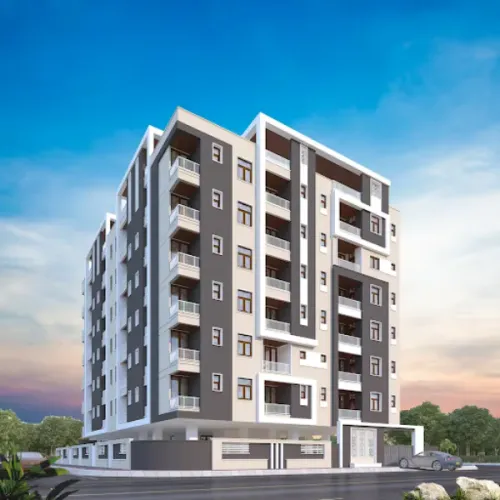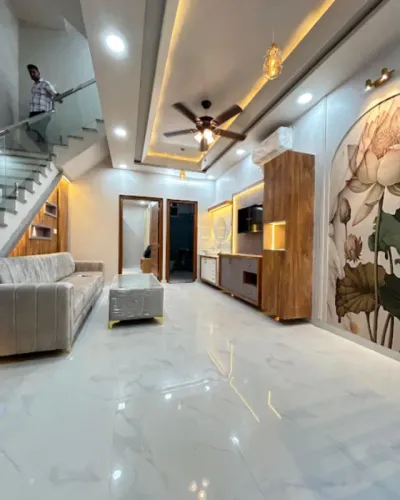


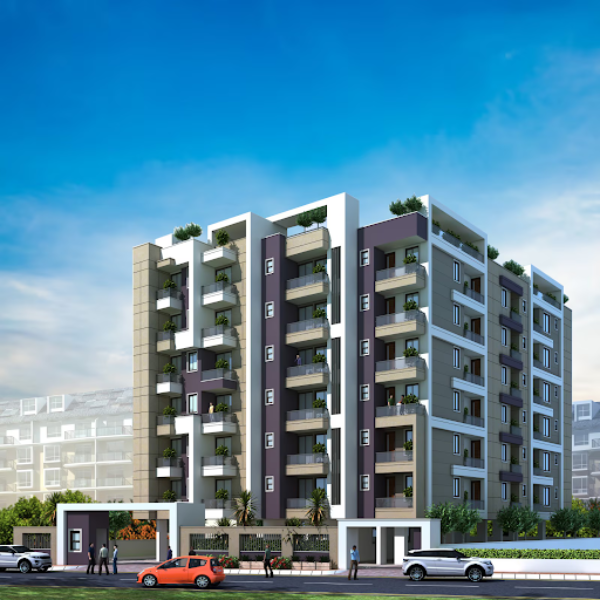
Choosing between several residential projects can become confusing when each brochure presents attractive interiors, amenities, and lifestyle features. Buyers comparing Apartments need a practical method for identifying which property actually suits their family, finances, and long-term plans.
In a growing market such as Jaipur, Rajasthan, narrowing the options systematically can prevent buyers from making decisions based mainly on presentation.
Begin with Household Requirements
Before visiting projects, create a list of non-negotiable needs.
These might include:
- Number of bedrooms
- Approximate budget
- Preferred neighbourhood
- Parking requirements
- School accessibility
- Workplace connectivity
- Lift access
- Security
- Balcony requirements
- Possession preference
Separating essential requirements from desirable features makes comparisons much easier.
For example, a clubhouse may be attractive, but a manageable daily commute could have a greater effect on the family's quality of life.
Compare Usable Layouts
Two homes with similar stated areas can feel completely different inside.
Look at how effectively the floor plan uses space. Check bedroom dimensions, kitchen movement, passage widths, balcony depth, storage opportunities, ventilation, and natural light.
Try mentally placing your existing furniture in each room.
This simple exercise can reveal whether the layout supports real household needs rather than merely looking attractive when empty.
Examine the Complete Cost
Property comparisons should be based on the total financial commitment.
Ask for a detailed cost structure and understand which charges are included. Depending on the property, buyers may need to account for registration-related expenses, applicable taxes, maintenance deposits, parking costs, loan processing expenses, interiors, furniture, and relocation.
A property with a lower headline price is not automatically the lower-cost option once all expenses are considered.
Give Location a Practical Score
Instead of describing a neighbourhood simply as good or bad, score it according to your household's routine.
You could rate each property from one to five based on:
- Workplace connectivity
- School access
- Healthcare access
- Shopping convenience
- Major road connectivity
- Public transport
- Neighbourhood environment
This creates a more objective comparison.
In Jaipur, travel patterns and developing infrastructure can make location assessment particularly important for long-term convenience.
Check Amenities Against Actual Usage
Amenities contribute value only when residents use them.
A family with young children may place high value on safe recreational areas. Older residents may prioritise lifts, walking spaces, security, and accessible common areas. Professionals may value parking, power backup, and reliable building management.
Focus on facilities that match your household rather than simply counting the number listed in promotional material.
Review the Developer and Documentation
Project evaluation should also include developer background, available approvals, construction specifications, possession status, and relevant property documentation.
Parth Residency can be assessed alongside other Jaipur residential options using the same criteria. Keeping the evaluation consistent prevents brand presentation from replacing practical due diligence.
Record observations during each site visit so that details are not forgotten after viewing multiple properties.
Make the Final Comparison at Home
Avoid making a major decision while standing inside a sample flat.
After the visits, compare the shortlisted properties using the same criteria. Review budget, layout, location, documentation, amenities, parking, maintenance expectations, and future suitability.
The strongest apartment choice is rarely the property with the longest feature list. It is the home where the layout, financial commitment, neighbourhood, and residential environment fit the buyer's actual life.
A structured buying process turns a confusing property search into a manageable decision based on priorities rather than impressions.