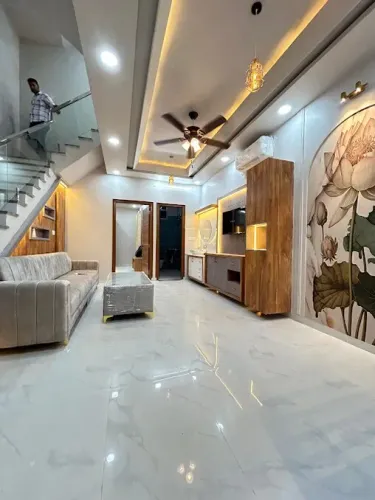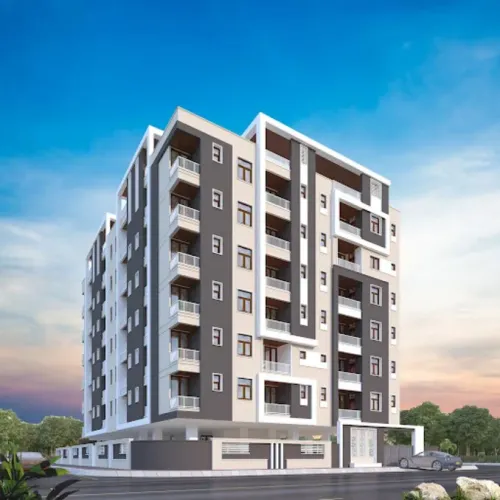
An immediate move requires more than finding a flat with two bedrooms: you need to know whether the layout fits your routines, what the usable area really is, and how much the move will cost after the quoted price. By the end, you can compare a 2 BHK with other home types, inspect a completed flat, verify its documents and calculate a realistic move-in budget.
Key takeaways
- Map each room to your household’s daily routines before choosing.
- Compare carpet area and storage, not only the saleable area.
- Inspect seepage, plumbing, power, ventilation and finishes before booking.
- Add registration, utility deposits and remaining work to the purchase budget.
How a 2 BHK Works Room by Room
A typical 2 BHK layout divides daily life into shared space, private rooms and service areas. Its value comes from how those zones support your routine, not from the advertised room count alone. Good 2 BHK room usage gives an immediate-move household a second useful space without making everyday living feel crowded.
- The living room and kitchen form the social centre. The living room handles meals, conversations and television, while the kitchen supports cooking, washing and food storage; check whether their placement allows movement without blocking either area.
- The main bedroom provides privacy and regular storage for the couple or primary occupants. Measure the walls before assuming a king-size bed, wardrobe and side tables will fit together.
- The second bedroom offers flexible bedroom use. It can serve as a child’s room, guest room, study or work-from-home room, but a narrow doorway or poor ventilation can limit those uses.
- Bathrooms support morning routines and visitor access. Two bathrooms reduce queues, while an attached bathroom protects bedroom privacy.
- A balcony adds daylight, ventilation and outdoor space for drying clothes or sitting. Its usable depth matters more than its presence on the plan.
- Storage areas, including utility ledges and kitchen cabinets, prevent daily items from occupying the living room. Inspect built-in storage rather than counting empty corners as storage.
The most practical choice is the 2 BHK whose carpet-area plan fits your actual furniture and routines.
Does the Layout Match Your Household and Routine?
A 2 BHK fits couples, a couple with one child, or two adults who need separate sleeping and working zones. A 2 BHK for couples becomes especially useful when one bedroom remains private while the second serves as a guest room, study, or work from home room.
For a 2 BHK for small family, check whether the second bedroom fits a bed, wardrobe and study desk without blocking movement. Parents living with you, frequent guests or two people working remotely may need that room full-time, not as occasional overflow.
Use the 2 BHK versus 1 BHK and 3 BHK test against your routine:
| Home type | Best fit | When another choice makes more sense |
|---|---|---|
| 2 BHK | Couple, small family, or occasional guests | Choose it when the second room has a clear daily purpose |
| 1 BHK | One person or couple with minimal storage | Choose it when you rarely host guests and need lower upkeep |
| 3 BHK | Larger family, live-in parents, or two work rooms | Choose it when two people need separate offices or children need separate rooms |
| Independent house or villa | Family needing outdoor space, parking, or expansion | Choose it when you accept more maintenance, security duties and travel distance |
Do not count a narrow second room as a full benefit. A 1 BHK with better usable space can suit you more than a cramped 2 BHK, while a 3 BHK becomes worthwhile only when the extra room will support your routine within the next few years.
Compare Usable Space, Not Just the Saleable Area
Record four figures for every option: carpet area, built-up area, super built-up area and total price. Add balcony area and the undivided share of land separately. A larger advertised size can hide corridors, shafts, wall thickness and shared amenities, while a compact plan may provide more usable floor space.
| Option | Usable-space test | Value trade-off |
|---|---|---|
| 1 BHK | Compare carpet area per occupant and storage, not the room count alone. | Lower purchase and maintenance cost, but limited guest, child or work-from-home flexibility. |
| 2 BHK | Check whether the second bedroom fits a bed, wardrobe and desk without blocking movement. | Often the practical middle ground for immediate occupation and changing needs. |
| 3 BHK | Measure whether the third room will be used enough to justify its price and upkeep. | More privacy and flexibility, but higher purchase, furnishing and maintenance costs. |
| 2 BHK versus independent house | Include stairs, parking, terrace, plot access and outdoor maintenance in usable space. | More control and land, but more repairs, security work and upkeep than a flat. |
| Villa | Count private outdoor areas and service spaces alongside indoor carpet area. | Greater privacy and expansion potential, with higher maintenance and operating effort. |
Compare price per square metre of carpet area, then test the actual furniture layout in each room. A ready flat also lets you inspect light, ventilation, noise and storage before committing, so the cheaper option does not win merely by having a lower headline price.
What to Inspect Before Booking a Ready Flat
Visit the actual flat twice, including one afternoon, before paying an advance. This ready-to-move flat inspection checklist should cover the rooms, building services and approach to the property, not just tile colour and paint. Ask for the occupancy certificate and confirm the specific unit can be handed over.
- Check natural light and ventilation in every room, especially west-facing bedrooms. Feel afternoon heat, open each window, and note road noise, lift noise and mobile signal.
- Perform a seepage and plumbing check: inspect ceilings, corners, balcony walls and skirting; run every tap, flush each toilet, test drainage and confirm water pressure.
- Switch every light and fan point, test sockets with a charger, operate doors and windows, and check tile alignment, cracks, locks and kitchen cabinetry.
- Test lift and generator backup during a simulated power cut. Ask which circuits receive backup, then inspect fire extinguishers, alarms, pumps, water tanks and sewage access.
- Walk from the gate to your parking space. Check turning clearance, basement dampness, security, visitor entry, waste collection and common-area lighting.
| Area | Test | Red flag |
|---|---|---|
| Water and power | Ask about permanent connections, meter status and sanctioned load | Temporary supply, weak pressure or uncovered outages |
| Parking and access | Drive in and park at your allotted space | Blocked route or unusable dimensions |
| Common areas | Inspect corridors, terrace and basement | Dampness, unfinished work or unsafe wiring |
Calculate the Real Cost and Remaining Move-In Work
A ready possession flat still needs a move-in budget beyond the quoted price. Calculate the ready-to-move flat cost as the agreement value plus stamp duty and registration, parking, maintenance deposits, utility connections, brokerage, moving costs and interiors.
1. Confirm the tax treatment before paying. GST on completed property is generally not charged when the entire consideration is received after the completion certificate or first occupation, whichever is earlier. Ask the seller for written confirmation and verify it with a tax professional; do not assume every new flat is GST-free.
2. Price the minimum usable setup. Add wardrobes, kitchen appliances, fans, lights, curtains, air-conditioners, grills, repairs and any missing fittings. Obtain itemised quotes, then add society deposits and connection charges.
3. Create a move-in schedule. Allow time for registration, handover inspection, cleaning, minor repairs, installation, internet activation and delivery of furniture. A flat that needs extensive carpentry or painting can delay occupation by weeks.
4. Compare the total with waiting. Set the completed unit’s extra price against rent during construction, loan interest during the delay, taxes, registration and the opportunity cost of your down payment.
Before booking, request a written possession date, itemised charges and a list of included fittings. That prevents a “ready” home from becoming an unfinished project after purchase.
Verify Approvals, Title and Handover Before You Commit
Before paying the final instalment, match the flat number, tower and promised possession date across the agreement for sale, Rajasthan RERA project record and seller’s documents. A “ready” label is not proof that the specific unit has lawful approvals or clear title.
Ask for these records and check what each establishes:
- Occupancy certificate: the competent authority has permitted occupation of the building or relevant phase.
- Completion certificate, where applicable: construction conforms to the approved requirements.
- Sanctioned plan: the flat’s area, layout, floor, parking and common facilities match the approved drawing.
- Title documents and encumbrance information: the seller has the right to transfer the property and disclosed mortgages, claims or litigation.
- Registered project record: possession status, complaints, approvals and promised amenities are visible for comparison.
- Agreement for sale: payment schedule, possession terms, maintenance charges, defect liability and cancellation conditions are written down.
| Handover item | Confirm before possession | Why it matters |
|---|---|---|
| Electricity and water | Permanent meter, sanctioned load and connection source | Temporary services can fail after handover |
| Sewage, lifts and fire systems | Working connections, lift operation and fire equipment | A finished flat is not operational without these |
| Common areas | Written handover status and functioning security, pumps, lighting and waste collection | Advertised facilities may remain incomplete |
| Keys and records | Possession letter, meter readings, warranties and defect-reporting process | You need evidence for later disputes |
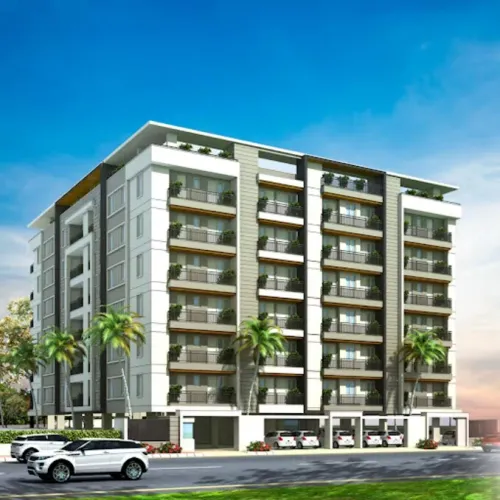
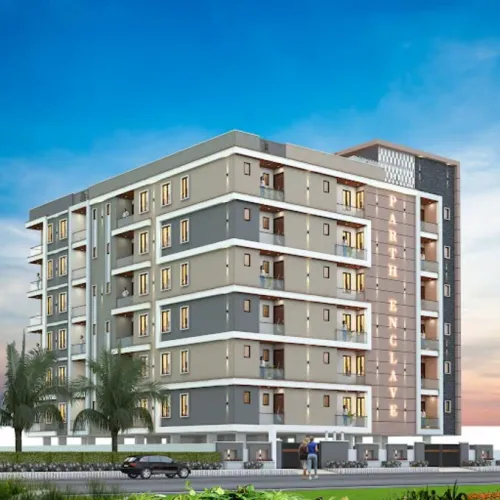
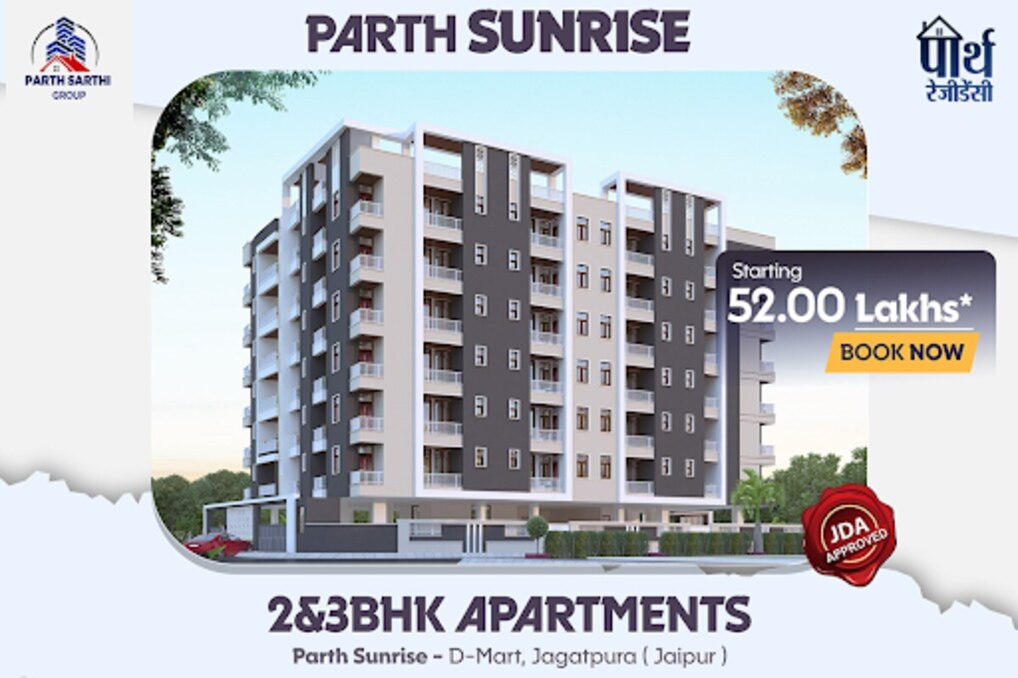
For a project such as Parth Residency, request a flat-specific possession checklist rather than relying on a brochure. Verify GST treatment with the seller and a tax professional if completion certification and payment timing affect your transaction.
Related products
 | Luxury 2 BHK Flats In Jaipur | 3 BHK Flats In Jaipur ₹4000000 Ready-to-Move 2/3 BHK Flats in Mansarovar, Jaipur Starting at ₹35 Lakhs Are you searching for your perfect home in Jaipur? Parth Apartment, a premium... View product → |
 | 3 BHK Luxury Flats In Jaipur ₹4500000 Spacious 3BHK Apartments in Jagatpura, Jaipur Starting at ₹43 Lakhs If you're looking for a spacious and well-connected 3 BHK flat in Jagatpura,... View product → |
Frequently asked questions
How should you assess whether a 2 BHK layout suits your household?
Assign the living room, bedrooms, kitchen, bathrooms and utility areas to your actual routines. Check whether bedrooms provide privacy and whether storage, work or guest needs fit without blocking circulation.
Why should you compare carpet area instead of saleable area?
Carpet area shows the floor space inside the apartment that you can use. Saleable area includes shared portions such as corridors, stairs and lifts, so two flats with the same saleable area can offer different usable space.
What should you inspect before booking a ready-to-move flat?
Check walls and ceilings for seepage, test taps and drainage, operate doors and windows, inspect electrical points, confirm ventilation and review tile, paint and fixture quality.
What costs remain after the quoted flat price?
Include stamp duty, registration, maintenance or association deposits, utility connections, parking charges, moving expenses, appliances, curtains and repairs or alterations required before occupation.
Which documents should you verify before committing to a ready flat?
Verify the sanctioned building plan, completion or occupancy certificate, title documents, encumbrance certificate, RERA project details where applicable, sale agreement and written handover terms.